The Age of the Subject Matter Expert
The barrier to entry just dropped through the floor. A lot of bad work is going to flood in and get sold as design. That is real and it is coming. At the same time, more businesses are going to get built and succeed — because the people with the ideas can now execute them.
Design is going to split deeper: aesthetics on one side, communication and functionality on the other. More strange, ambitious, out-there things are going to exist — simply because someone thought it was cool and made it.
The subject matter expert wins. The person who spent years developing taste, judgment, and a point of view has never had more leverage.
"Instead of designing interfaces, we are now able to design tentacles. An exoskeleton. Something that makes us faster, stronger, and better at what we already know."
I know this because I lived it. Here is how.
Why the Old Way Broke
For me, design work had become boring. Not the craft — the job. Specs, component libraries, stakeholder alignment, revision cycles, design systems maintenance. Rinse and repeat. A creative discipline had turned into project management with a creative alibi.
I ran a NYC brand agency for years. Hiring, firing, P&L, client management. Creativity became the thing I got to when the real work was done — if I got to it at all. I was good at running the agency. I did not love it.

I was not the only one who felt it. I was just stubborn enough to leave.
How I Got Here
Twenty-plus years in design. Erotic art Flash ActionScript websites in Barcelona, through Audi, Diesel, Orangina and the Élysée's digital strategy in Paris to my own dream brand agency in New York City. I ran the entire spectrum.
Along the way I built obsessive documentation: playbooks for every role — sales, strategy, design, workflow. Every standard written down. What good looks like, always explicit. It was my answer to the NYC talent trap: hire as junior as you can afford, train them fast, watch them leave for a sexier agency the moment they get good. At least the knowledge stayed.
I left New York. Started consulting. I wanted to do the work again, not manage the machine.
The Shift
I tried Midjourney, ChatGPT, Perplexity, later Weavy. Genuinely useful for visuals and content volume. But I was still stitching everything together between services. No coherence. No brand logic. Still lonely in the thinking.
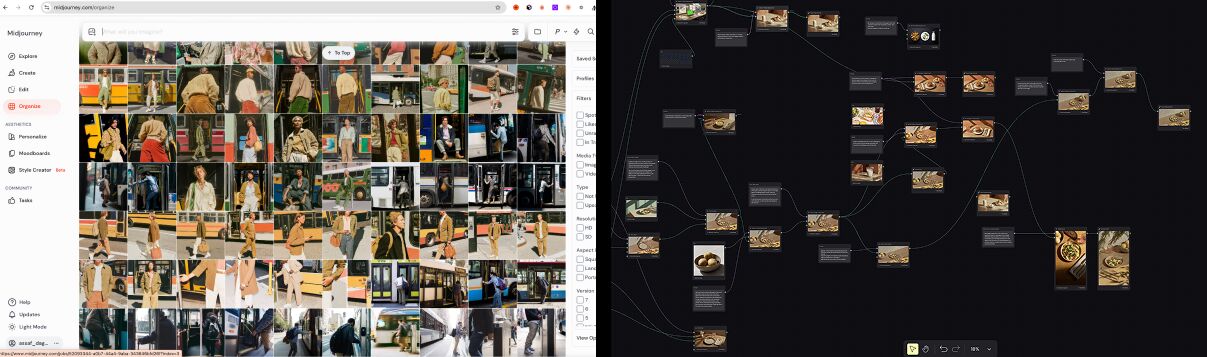
Then a friend helped me set up OpenClaw and work with Claude Code. Something shifted. Those playbooks — every role, every standard, every definition of what good looks like — could become actual agents with real judgment. Not prompts. Brand Agents.
I trained 8: research, strategy, copywriting, design direction, content, production, a critic and a project manager. A lot of hand-holding early on. But every one has high degrees of problem-solving and they are genuinely coachable.
"The documentation I had built to protect against employee churn became institutional intelligence."
Taste as Infrastructure
I downloaded thousands of references: design case studies, brand projects, type foundries, saved posts, tutorials, articles. I built a trend radar — when my favorite agencies or blogs move, I get a signal. When enough trusted signals converge on the same thing, it gets indexed as a trend. Then I describe what I love about it.
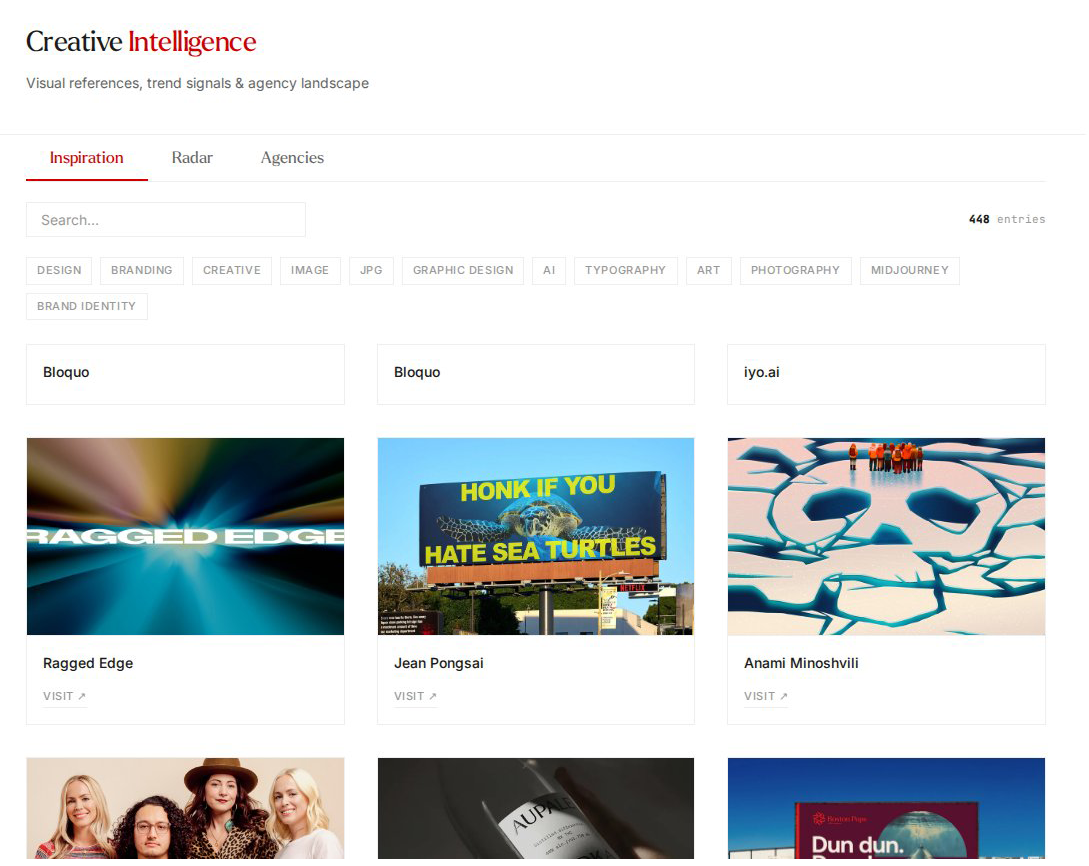
Over time, the agents learn to see the way I see. My eye compounds now. The references don't just sit there as a mood board — they become a living calibration.
The Proof
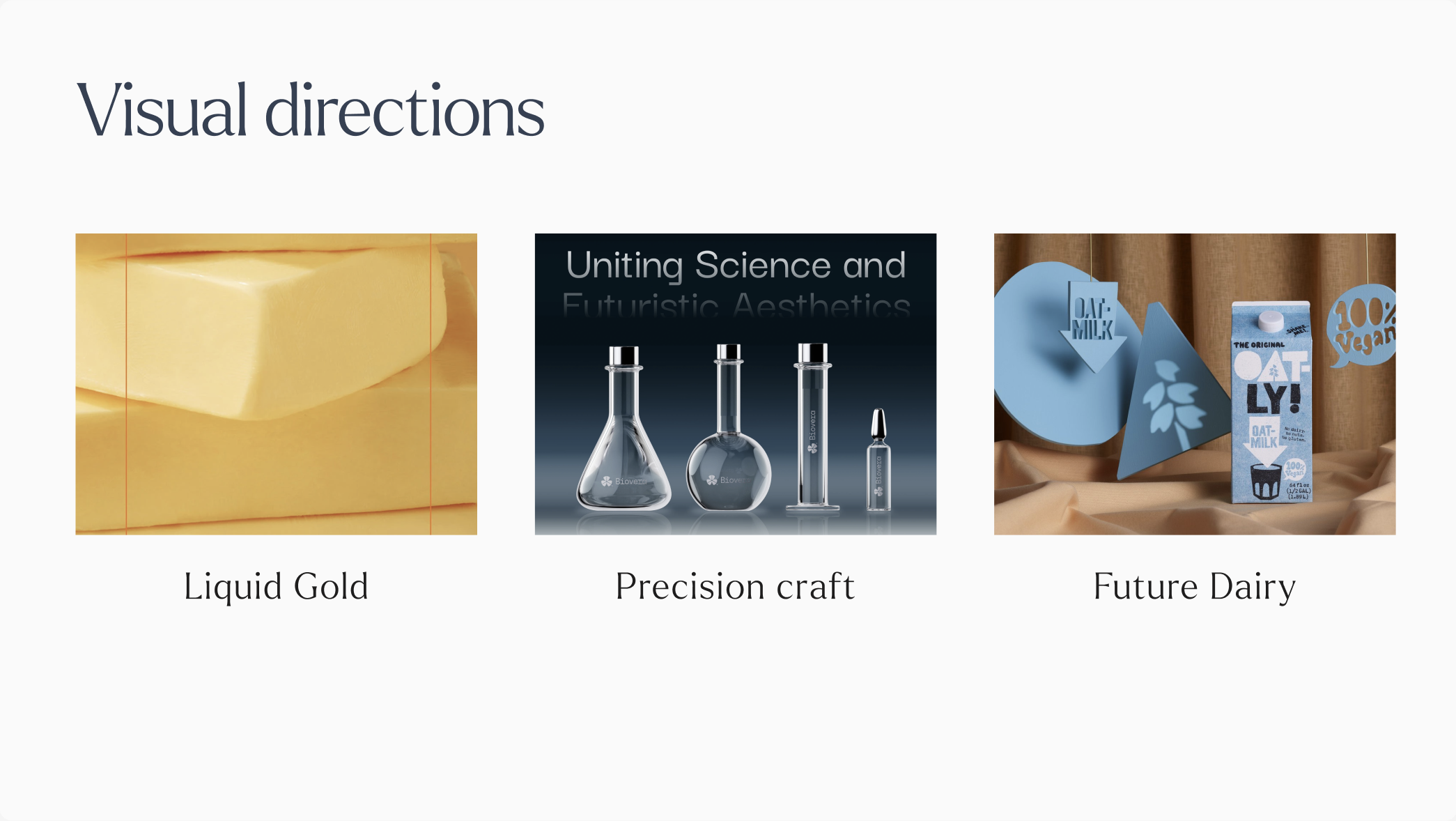
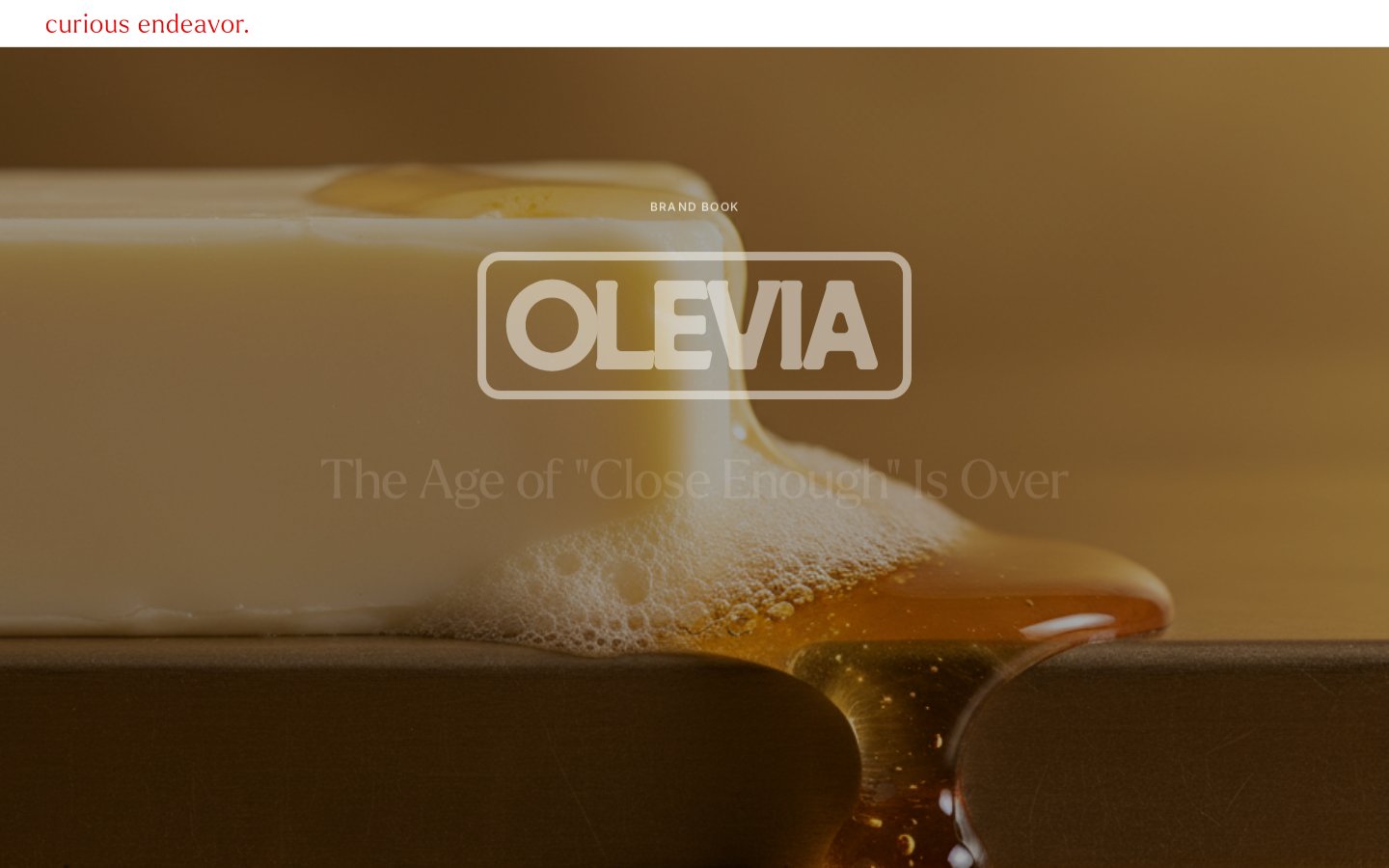
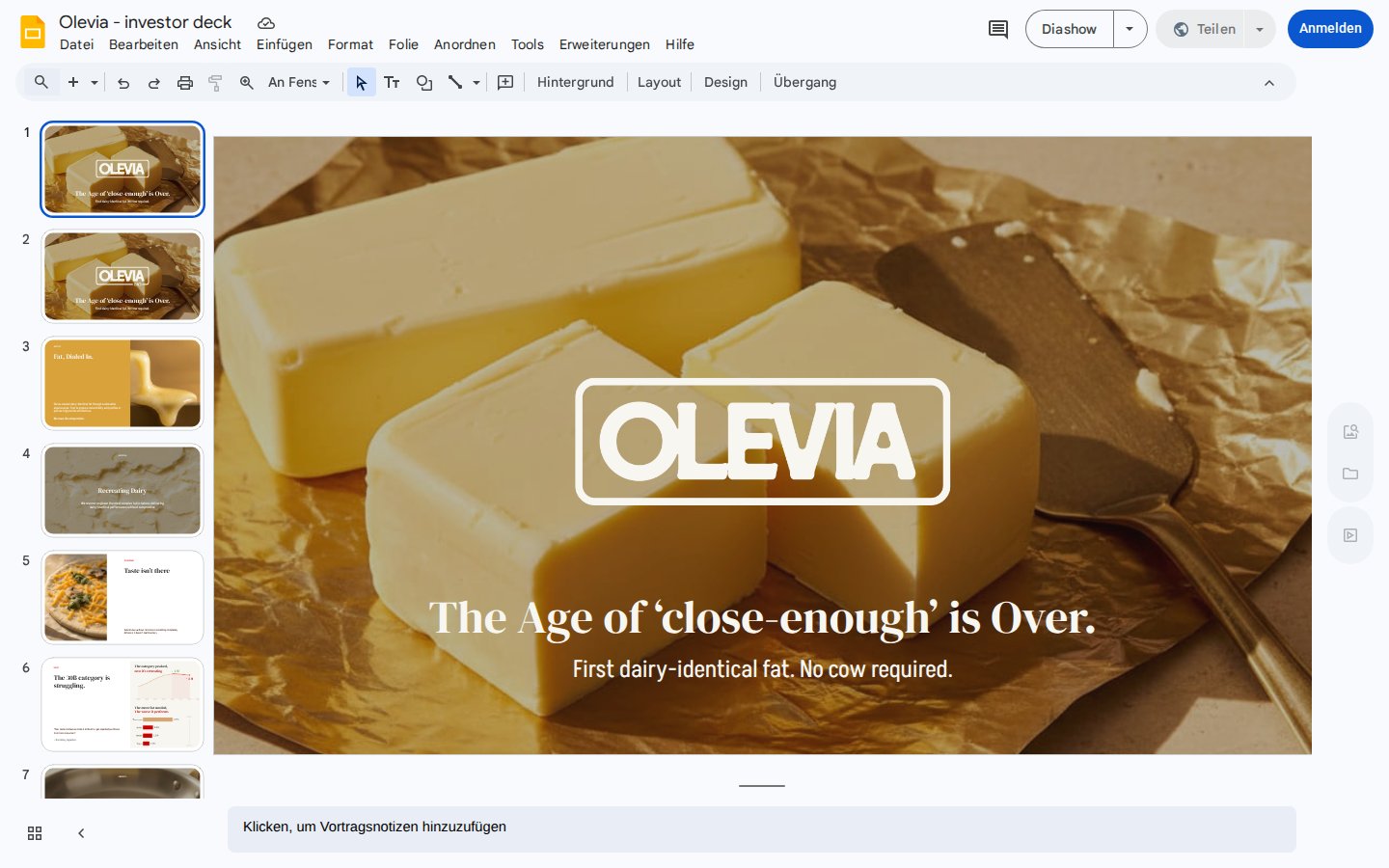
I started with brand strategy — positioning, audience, competitive landscape. Then I had the agents write it directly into Figma. From there they proposed three design directions, built the brand book, developed the photography style. I chose one direction. Everything downstream followed — logo, color, typography, layout.
That distinction matters. The thinking — the judgment calls, the creative pressure, the taste that decides which direction and why — that was mine. The execution — the labor, the iteration, the production — that was the system.
Eight arms. Ten times the battery. For the first time in years, I felt liberated in the work rather than buried by it.